Inside China: Livestreaming Commerce in Everyday Life

Date: OCTOBER 28th
Time: 4 PM PT/7 PM EST
Outside of China, the rise of livestreaming commerce often becomes a story about influencers and online shopping, or perhaps, a symbol of platform control. Dr. Xiaofei Han's approach is different. Rather than treating livestreaming simply as a new media format or a retail technology, she uses livestreaming as a windown into how platform businesses are re-organizing markets, labour, cultural production, and everyday social relations in China.
Register here for the next webinar in CCF’s “Inside China” series.
Public Events: Peace Across the Pacific Workshop
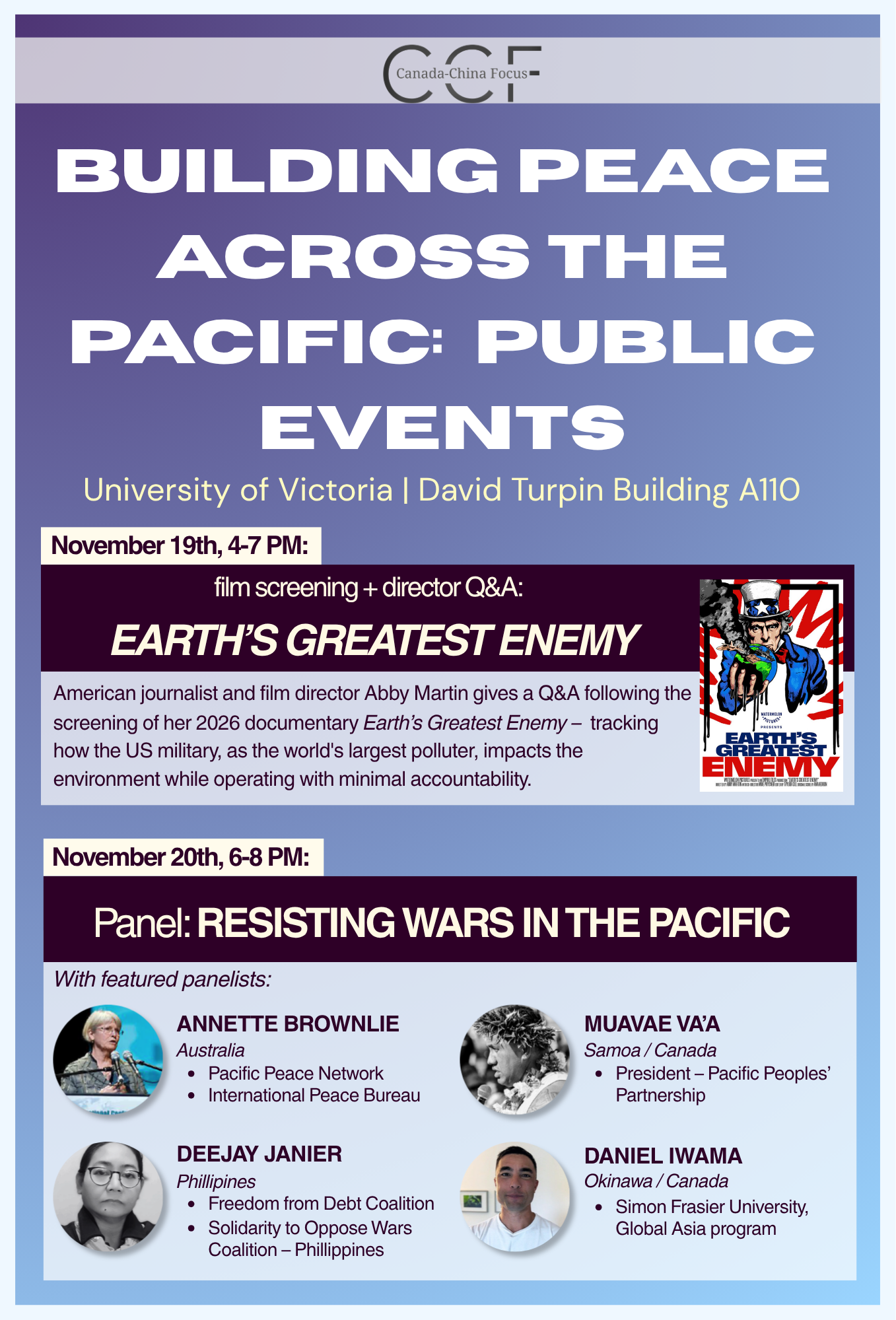
Location: University of Victoria, David Turpin Building, Room A110 (in-person)
Event 1: Film Screening: Earth’s Greatest Enemy
Time: November 19, 4:00 - 7:00 PM PT
American journalist and film director Abby Martin will give a Q&A following the screening of her 2026 documentary Earth's Greatest Enemy.
Event 2: Panel Discussion: Resisting Wars in the Pacific
Time: November 20, 6:00 - 8:00 PM PT
Featured panelists: Annette Brownlie, Muavae Va'a, Deejay Janier, Daniel Iwama
Subscribe to the twice-monthly newsletter from the Canada-China Focus
Current Newsletter 10/15/26
Next newsletter release: 11/05/26
FEATURED
Ecological Civilization Field Trip to China
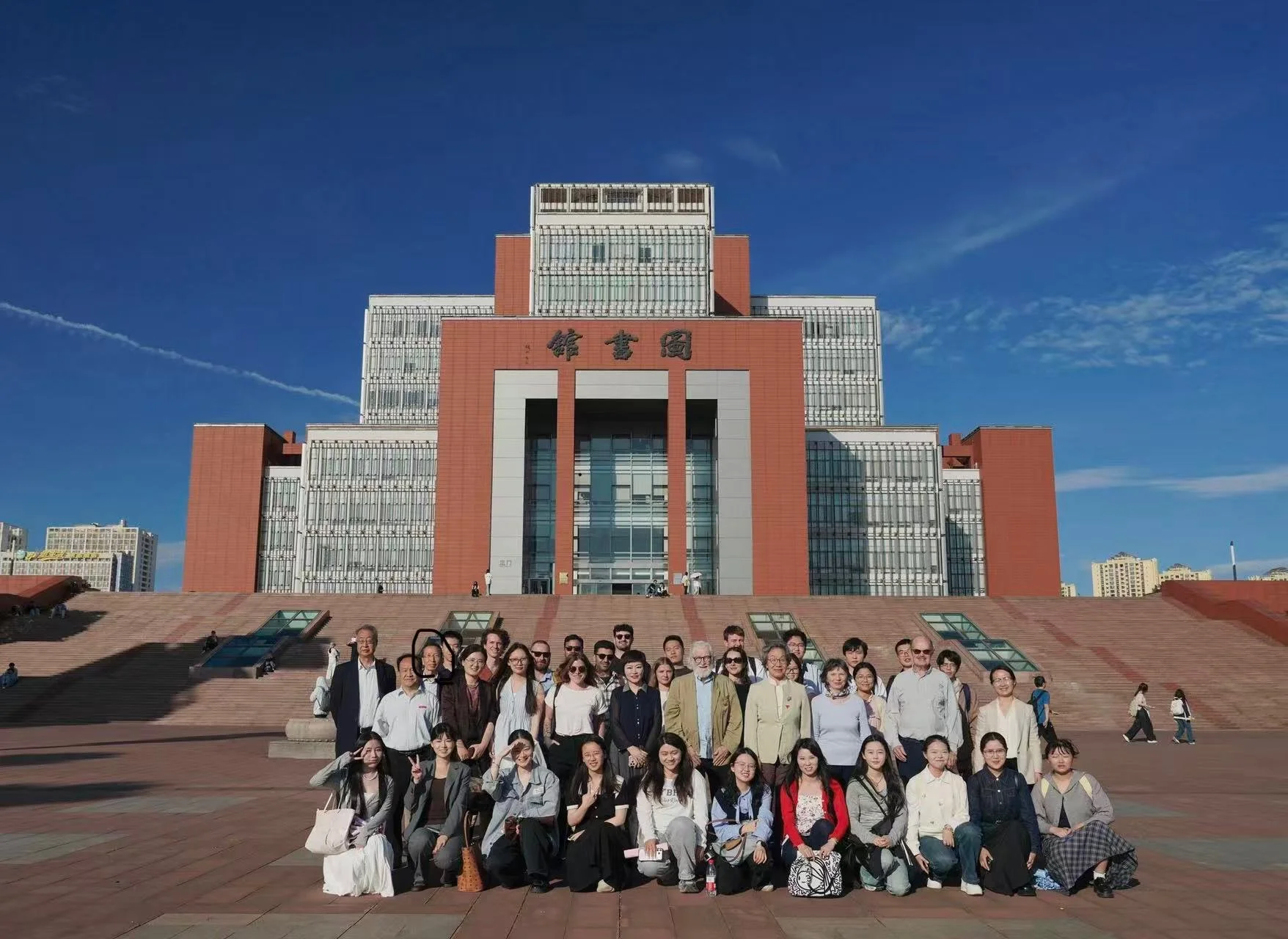
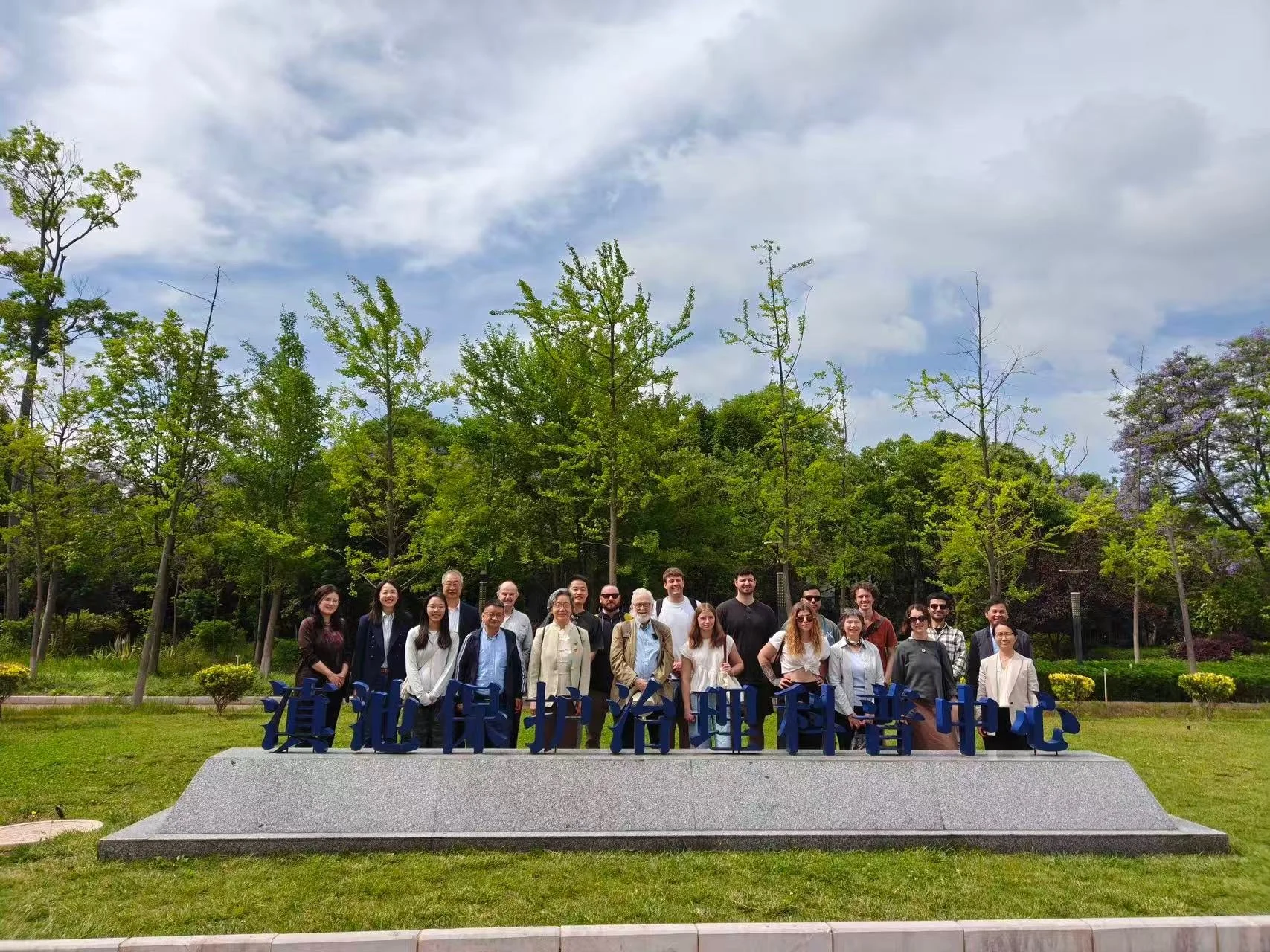
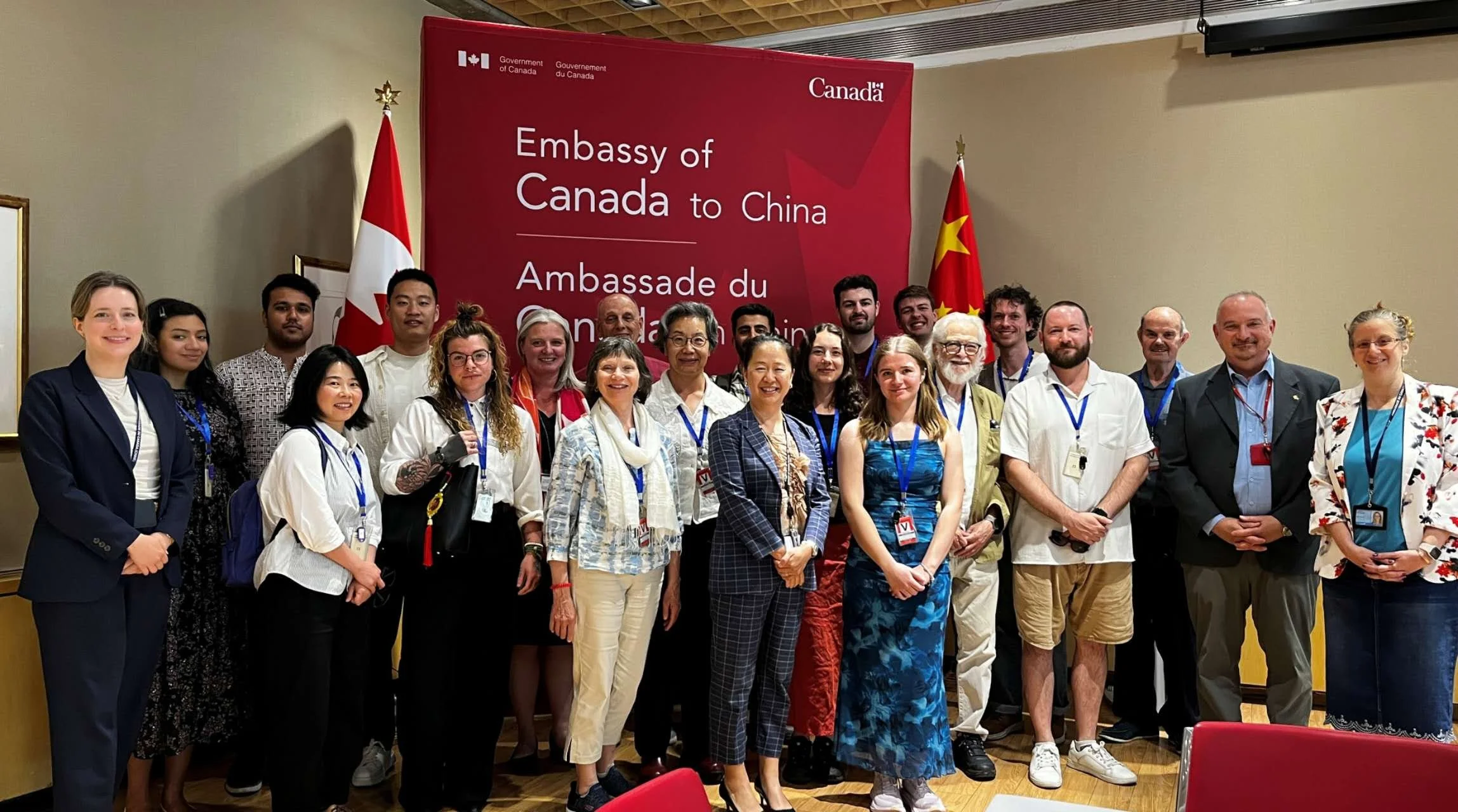
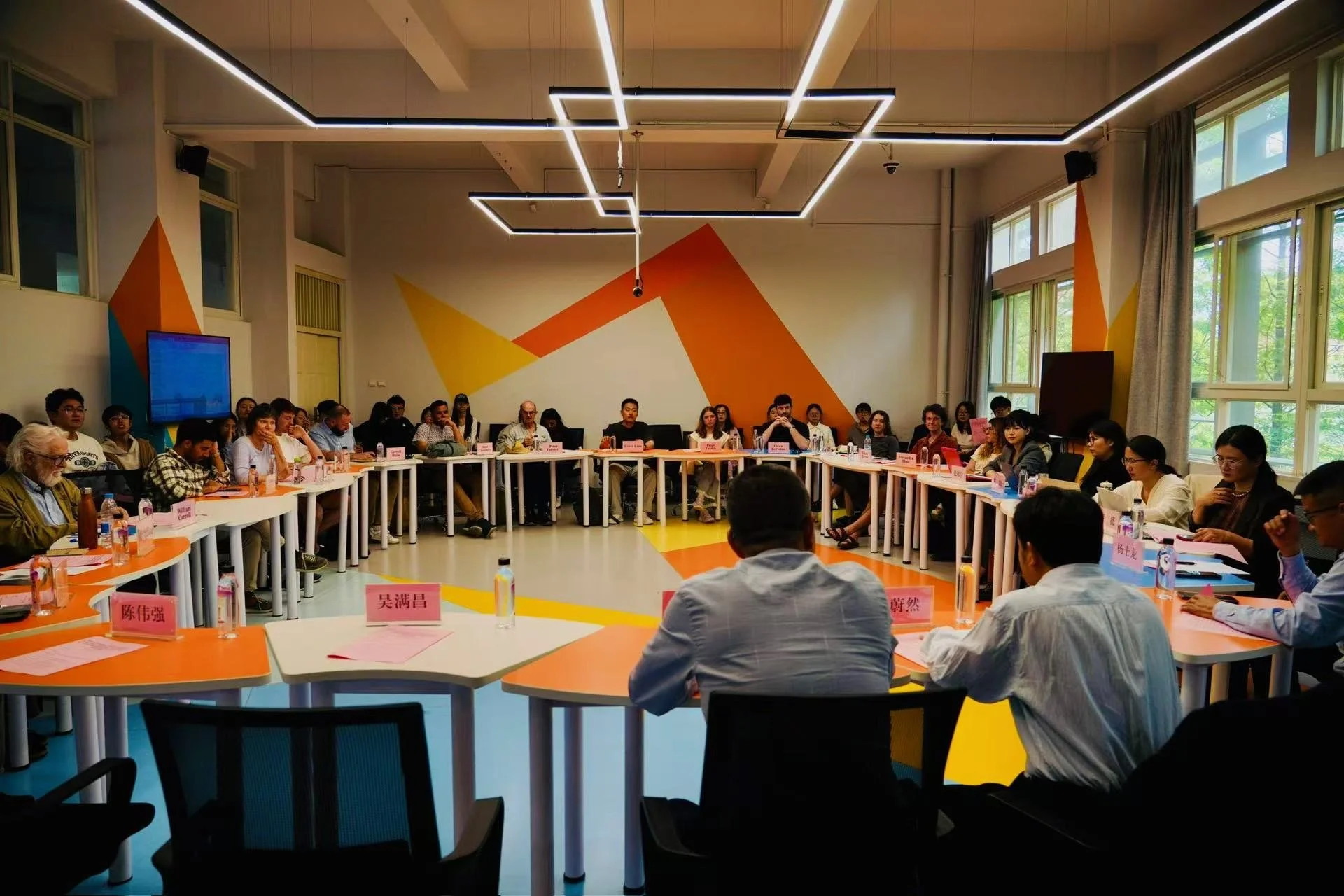
CCF sent an 11-student delegation to China at the beginning of May to explore how to Canada and China can collaborate on environmental stewardship and sustainability. The project is led by Professors Lanyan Chen (Nipissing University) and William Carroll (University of Victoria). The delegation has been hosted by Bailie University in Beijing, Yunnan Agricultural University, and Suzhou University. Delegates are a mix of undergraduate and graduate students from universities across Canada, whose fields of study range from political science to environmental studies.
“Our study tour included visits to two leading Chinese AI companies. Our discussions with various researchers and students reminded us repeatedly that it is possible for economic prosperity, modernization, and environmental protection to coexist—especially through the use of technological advancement and coordinated planning. This idea is embraced by the Communist Party of China’s developmental shift away from purely quantitative indicators such as GDP growth. Instead, development indicators also include qualitative goals centred on sustainability, ecological protection, and hi-tech development.
Rather than viewing economic modernization and environmental sustainability as contradictory phenomena at odds with each other, in China the two are viewed as mutually reinforcing objectives. People whom we met with on the trip presented the development of renewable energy infrastructure, green transportation systems, and AI technologies as interconnected components of a new stage of eco-socialist modernization.
One striking example of this is the medical field. We learned how China uses AI systems as a mechanism used to collect and centralize large quantities of patient data, including age, sex, lifestyle factors, and symptoms. Using pattern recognition, AI models are able to identify similarities between current and previous patients in order to assist physicians in making faster and potentially more accurate diagnoses.
This demonstrated how the Chinese system frames medical and social rights collectively with focus on the concrete well-being of society as a whole, where privacy concerns are often subordinated to practical healthcare outcomes. By contrast, western liberal notions of individual rights and stricter privacy protections often limit the degree to which medical data can be centralized and integrated into AI systems. Without immediate access to these types of large data sets, physicians rely more heavily on peer-reviewed studies, personal experience, and consultations with other professionals.
These visits to AI enterprises prompted important questions for our group: in what sense does China’s socialist model of AI development fundamentally differ from that of capitalist economies such as the US? Many of the AI products we encountered appeared to be directed toward consumer markets and the supplementation of intellectual labour — alleviating tasks such as grading papers, voice translation services, or integrating AI into expensive consumer products like automobiles. These seemed to be the most profitable and commercially viable areas of development, leading some of us to question why there appeared to be less innovation directed toward alleviating unpaid domestic labour.
Furthermore, data centers remain highly resource-intensive, consuming enormous quantities of electricity, water, rare minerals, and industrial inputs with little consideration of the risks these technologies have on the environment. Whether China can ultimately reconcile these competing pressures remains uncertain. However, one important distinction does remain evident: China’s technological initiatives are enabled by the framework of a one-party state pursuing a developmental system based on long-term planning and coordinated industrial policy on a coordinated scale largely absent in liberal capitalist economies.
We are eager to continue exploring important questions like these, prompted by our trip, in our research at home. We left feeling inspired, curious and motivated to continue developing our understanding of what a socialist market economy looks like in our contemporary world.”
– Garrett Halas and Jasmine Peardon, field trip participants (Photos courtesy of field trip participants)
WEBINAR: A Live Report on Local Okinawan Resistance to US Military Base Construction
March 18th, 2026 — Writer and activist Satoko Oka Norimatsu gives a live report from Okinawa on the new U.S. military facility under construction and local Okinawan protesters’ resistance to the project, in conversation with Professor Hideki Yoshikawa, expert on Okinawan social and environmental issues.
WEBINAR: Protest FITAA, the “Foreign Interference Transparency and Accountability Act”
January 19th, 2026 — The Foreign Influence Transparency and Accountability Act (FITAA), under consultation until February 2nd 2026, is Ottawa's latest move in its campaign against foreign interference, which up to this point has largely served to silence and intimidate Chinese Canadians without grounds. Senator Yuen Pau Woo, co-founder of Canadians United Against Modern Exclusion, discusses how FITAA, despite lawmakers' best intentions, is liable to unintentionally bolster the exclusion of particular groups in Canadian politics.
Senator Yuen Pau Woo presents: The Dangers of Modern Exclusion
August 26, 2025 — Canadians United Against Modern Exclusion was created this June as a non-partisan, not-for-profit organization to work with all Canadians whose rights and freedoms have been compromised because of national security overreach, foreign interference hysteria, and fear of the ‘other’. Senator Yuen Pau Woo will speak on why the need for such an organization and the CUAME program for the immediate future.
The Future of Canada-China Relations - A Lecture at the University of Victoria
January 22, 2025 — Current MP and interim NDP leader Don Davies calls for Canada to re-establish an approach to China that breaks away from the existing, overwhelmingly anti-China stance that politicians and the media have adopted since 2017. Davies notes that present Canada-China relations are exceptionally frigid compared even to the US and those under the Harper government, and traces this back to the 2018 arrest of Huawei executive Meng Wan Zhou and leaked allegations of foreign interference in the 2019 federal election. Davies argues that this position has put Canada at a disadvantage politically and economically. Davies describes opportunities and methods to re-establish regular and productive relations with China and possible benefits of doing so, including lessening dependence on the US as a trading partner.


The CCF is Hosted By